When is pain considered chronic?
It may appear as persistent discomfort in the neck, lower back pain that may radiate to the leg, continuous pain in the hip or knee, recurring tendonitis, numbness or neurological symptoms such as carpal tunnel syndrome, as well as muscle pain or tightness that does not subside.
It may appear as persistent discomfort in the neck, lower back pain that may radiate to the leg, continuous pain in the hip or knee, recurring tendonitis, numbness or neurological symptoms such as carpal tunnel syndrome, as well as muscle pain or tightness that does not subside.
Chronic pain is not simply a discomfort. It can significantly affect everyday life, sleep quality, mood and performance at work or in daily activities.
Why you should not ignore it
The longer pain lasts, the more the body adapts to it. Compensations develop, movement becomes limited and, often, the feeling that something is not functioning properly becomes stronger.
Proper management does not aim only to reduce pain, but to identify the real cause, restore normal movement and strengthen the body in order to reduce the likelihood of recurrence.
How modern physiotherapy helps
The management of chronic pain is based on a comprehensive approach that includes detailed assessment, a personalized treatment program and the active participation of the patient.
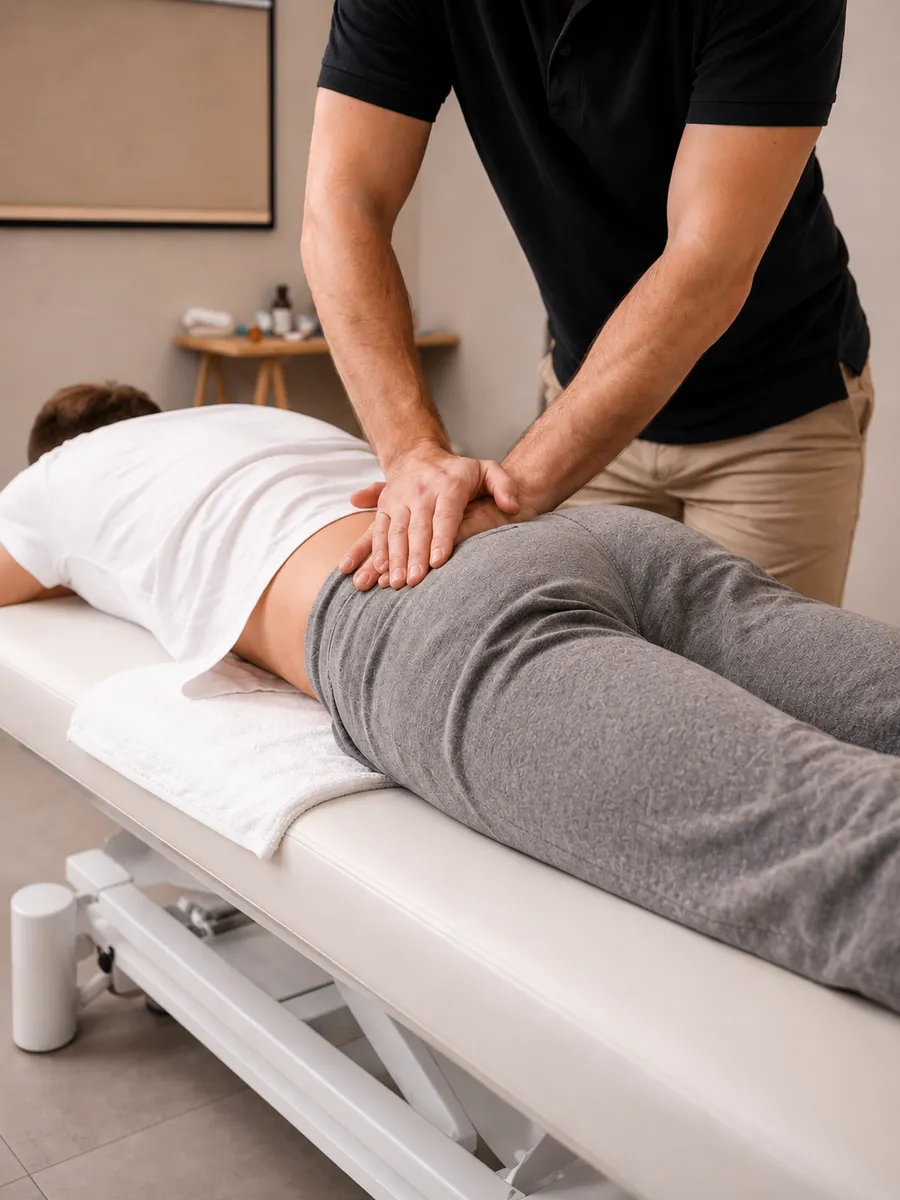
The process begins with a thorough medical history and clinical assessment, in order to identify the real factors that cause or maintain the pain. A program is then designed that combines manual therapy techniques, modern therapeutic methods and targeted exercise, fully adapted to the needs of each individual.
At the same time, emphasis is placed on education and guidance, so that you gain a better understanding of your body and are able to manage movement properly in your everyday life.
What you can expect
With the right approach, chronic pain can be managed effectively. Gradually, pain can be reduced, mobility and endurance can improve, a return to activities that had been limited can be achieved, and overall quality of life can be enhanced.
Chronic pain does not have to become part of your everyday life. With proper guidance and consistency, you can restore your body’s functionality and move again with safety and confidence.
If you feel that you are tired of living with pain, it may be time to take the next step.